
Jeep Gladiator Rubicon vs. Mojave: which one to choose?
September 17 2026,
Summary
- In short: Rubicon or Mojave, what are the main differences?
- Jeep Gladiator Rubicon vs. Mojave: price and features
- Off-road: Rubicon or Mojave for your terrain?
- Comfort and daily driving: which is more pleasant?
- Jeep Gladiator Rubicon vs. Mojave: towing capacity and payload
- Powertrain, performance, and equipment
- Which Jeep Gladiator should you choose for your use?
- Rubicon or Mojave: which offers the best value for money?
Summary
- In short: Rubicon or Mojave, what are the main differences?
- Jeep Gladiator Rubicon vs. Mojave: price and features
- Off-road: Rubicon or Mojave for your terrain?
- Comfort and daily driving: which is more pleasant?
- Jeep Gladiator Rubicon vs. Mojave: towing capacity and payload
- Powertrain, performance, and equipment
- Which Jeep Gladiator should you choose for your use?
- Rubicon or Mojave: which offers the best value for money?
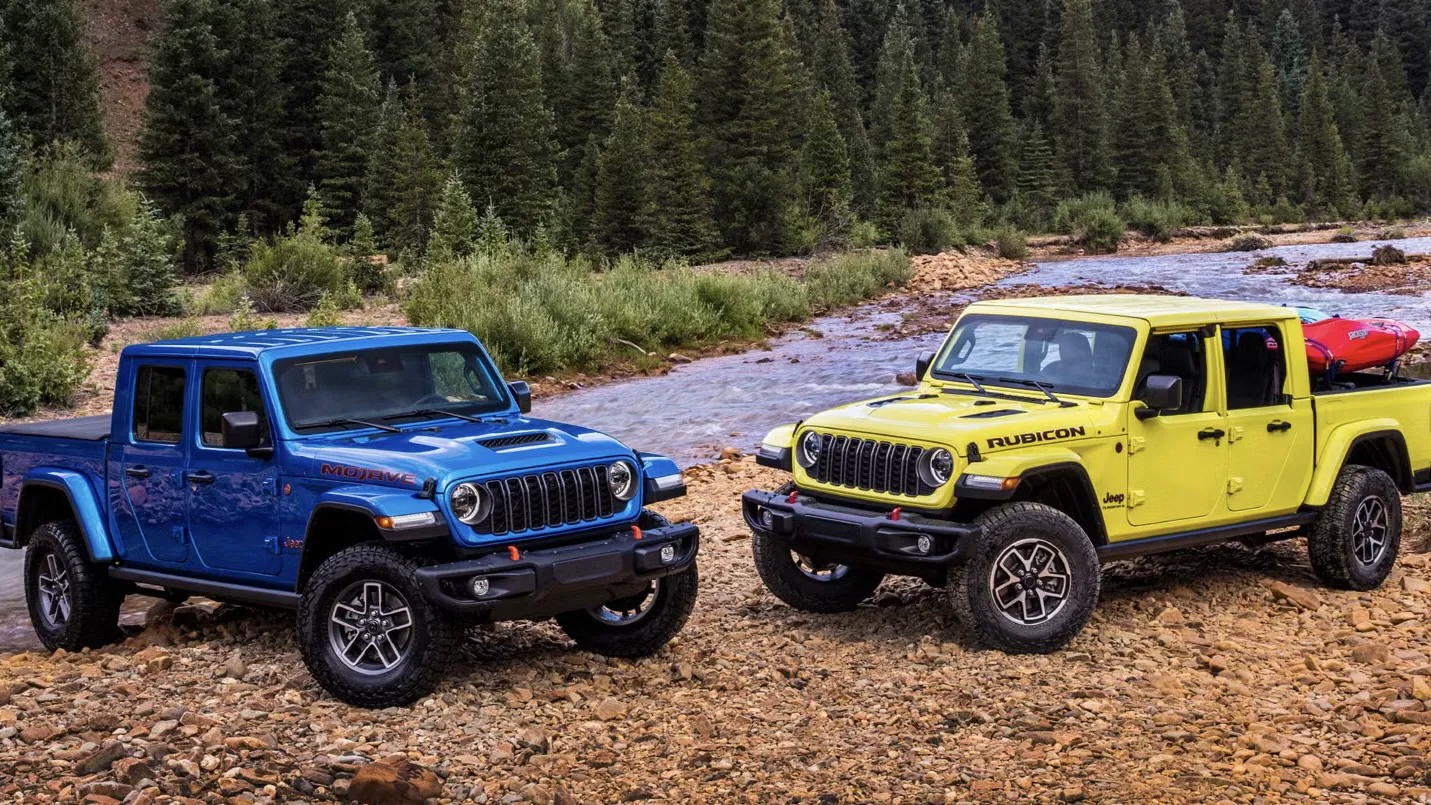
The 2026 Jeep Gladiator Mojave vs. Rubicon are two trims with the same starting price of $67,890. They both deliver a unique open‑air experience, yet they target different off-road missions. The Rubicon banks on the Rock-Trac transfer case with a 4:1 low range to climb rocky trails, while the Mojave relies on FOX shocks with external reservoirs to soak up sand at higher speeds. The Rubicon tows a bit more 7,000 lb. versus 6,000 lb., but both share the same 3.6 L Pentastar V6 rated at 285 horsepower. Here, we compare comfort, off-road capability, towing, and price to help you choose the trim that truly fits your playground.
In short: Rubicon or Mojave, what are the main differences?
Between the 2026 Jeep Gladiator Mojave and Rubicon, you get the same price and the same powertrain, but two different personalities. The Rubicon is geared for technical rock crawling with a Rock-Trac transfer case and lockable front and rear differentials. The Mojave focuses on FOX shocks with external reservoirs designed to run fast over sandy or rough terrain.
Here are the numbers, at a glance:
| Rubicon | Mojave | |
|---|---|---|
| Starting price | $67,890 | $67,890 |
| Engine | 3.6 L V6, 285 hp | 3.6 L V6, 285 hp |
| Transfer case | Rock-Trac, 4:1 | Command-Trac (standard) |
| Shocks | Tenneco, gas-charged | FOX, external reservoir |
| Axle ratio | 4.10 | 4.10 |
| Towing | 7,000 lb. (3,175 kg) | 6,000 lb. (2,722 kg) |
| Payload | 1,100 lb. (499 kg) | 1,050 lb. (476 kg) |
| Mission | Rock crawling, technical trails | High-speed sandy or desert terrain |
Jeep Gladiator Rubicon vs. Mojave: price and features
In this Jeep Gladiator Rubicon vs. Mojave comparison, price is not the differentiator. Both trims start at $67,890. What truly separates these two Gladiator trims is their off-road approach.
The Rubicon targets precise control on rocky ground. The Mojave emphasizes speed and impact absorption on rough terrain.
Both remain unique in their class. The Gladiator is the only pickup that delivers a full open‑air experience with removable doors and roof, a bit like a Jeep Wrangler but with a cargo bed out back.
Here are the characteristics that differ most, in table form:
| Feature | Rubicon | Mojave |
|---|---|---|
| Starting price | $67,890 | $67,890 |
| Transfer case | Rock-Trac, 4:1 crawl ratio | Command-Trac, standard |
| Shocks | Tenneco, gas-charged | FOX, external reservoir |
| Differentials | Lockable front and rear | Not lockable (standard) |
| Ride tuning | Off-road | Heavy-duty |
| Seats | Cloth bucket seats, Rubicon logo | Cloth bucket seats, reinforced seatbacks |
| Instrument cluster display | 7-inch customizable | Standard |
Off-road: Rubicon or Mojave for your terrain?
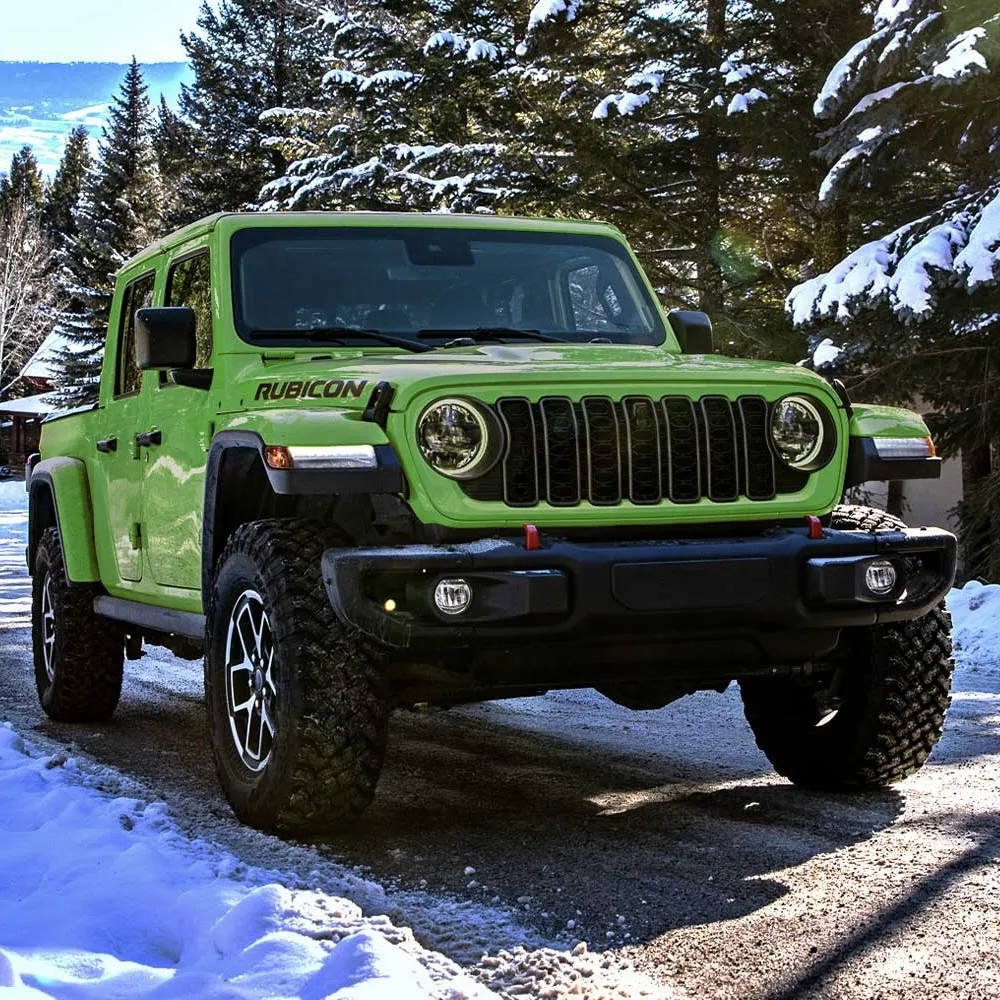
Choosing between the 2026 Jeep Gladiator Rubicon or Mojave is not about power. It is about where you drive on the weekends. The Rubicon, with a Rock-Trac transfer case and lockable differentials, excels on rocky, technical trails in Quebec.
Think of the steep climbs around Saint-Ignace-de-Loyola or the stony paths you find in the wooded areas near Joliette. The 4:1 low range helps you move slowly and precisely across rough ground without stressing the engine.
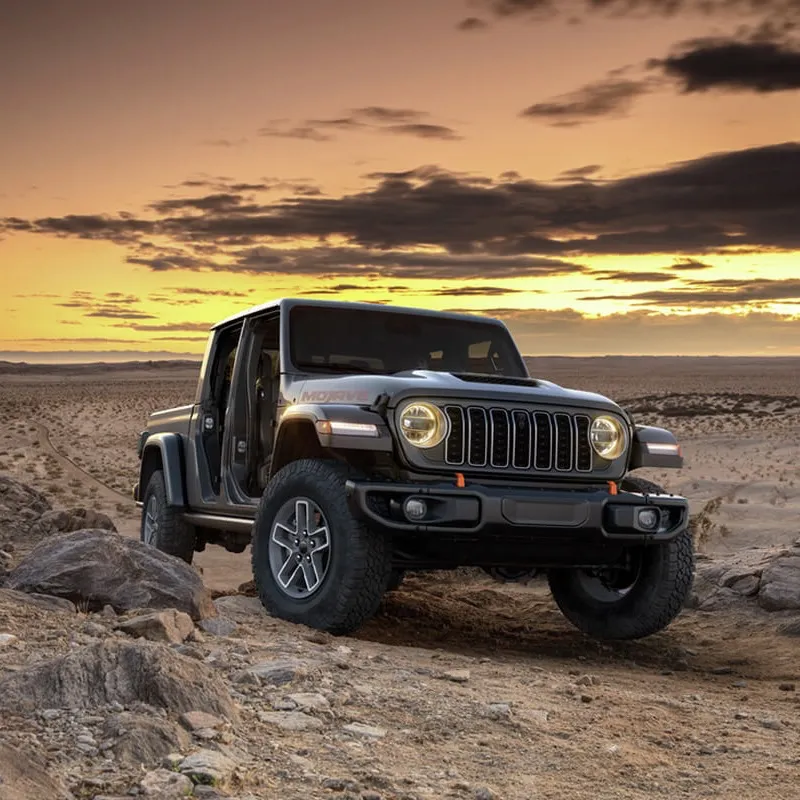
The Mojave is made for sandy tracks and beaten gravel roads where speed and shock absorption matter more than precision. The FOX shocks with external reservoirs soak up repeated hits without sending every bump into the cabin, a clear advantage on bumpy forest roads around Berthierville or Yamaska.
In practical terms, if your off-roading looks like slow rock crawling, pick the Rubicon. If you like to drive faster on loose and uneven surfaces, the Mojave will perform better.
Comfort and daily driving: which is more pleasant?
Day to day, the Mojave takes a slight lead. The FOX shocks better absorb road imperfections, which translates into a more compliant ride on pavement and gravel.
The Rubicon, with a setup oriented to rock crawling, transmits a bit more of the road's irregularities without being uncomfortable.
Both share the same cabin, the same bucket seats, and the same baseline equipment. The real difference shows up on secondary or poorly maintained roads, a frequent scenario on many country routes.
Whatever the trim, there is one thing neither the Rubicon nor Mojave loses: the freedom to drive with doors and roof removed, a Jeep signature that no other pickup on the market offers.
Jeep Gladiator Rubicon vs. Mojave: towing capacity and payload
Between the 2026 Jeep Gladiator Mojave and Rubicon for towing capacity, the Rubicon keeps a slight edge over the Mojave. The difference mainly comes from axle ratio and each trim's mechanical configuration, not from a different engine, since both share the same V6.
Here are the numbers:
| Rubicon | Mojave | |
|---|---|---|
| Towing | 7,000 lb. (3,175 kg) | 6,000 lb. (2,722 kg) |
| Payload | 1,100 lb. (499 kg) | 1,050 lb. (476 kg) |
If you often tow a trailer, a boat, or heavier gear, the Rubicon better fits that specific need. For lighter use, the gap becomes secondary. You can always check Jeep towing for different vehicles to see which other model meets your needs.
Powertrain, performance, and equipment
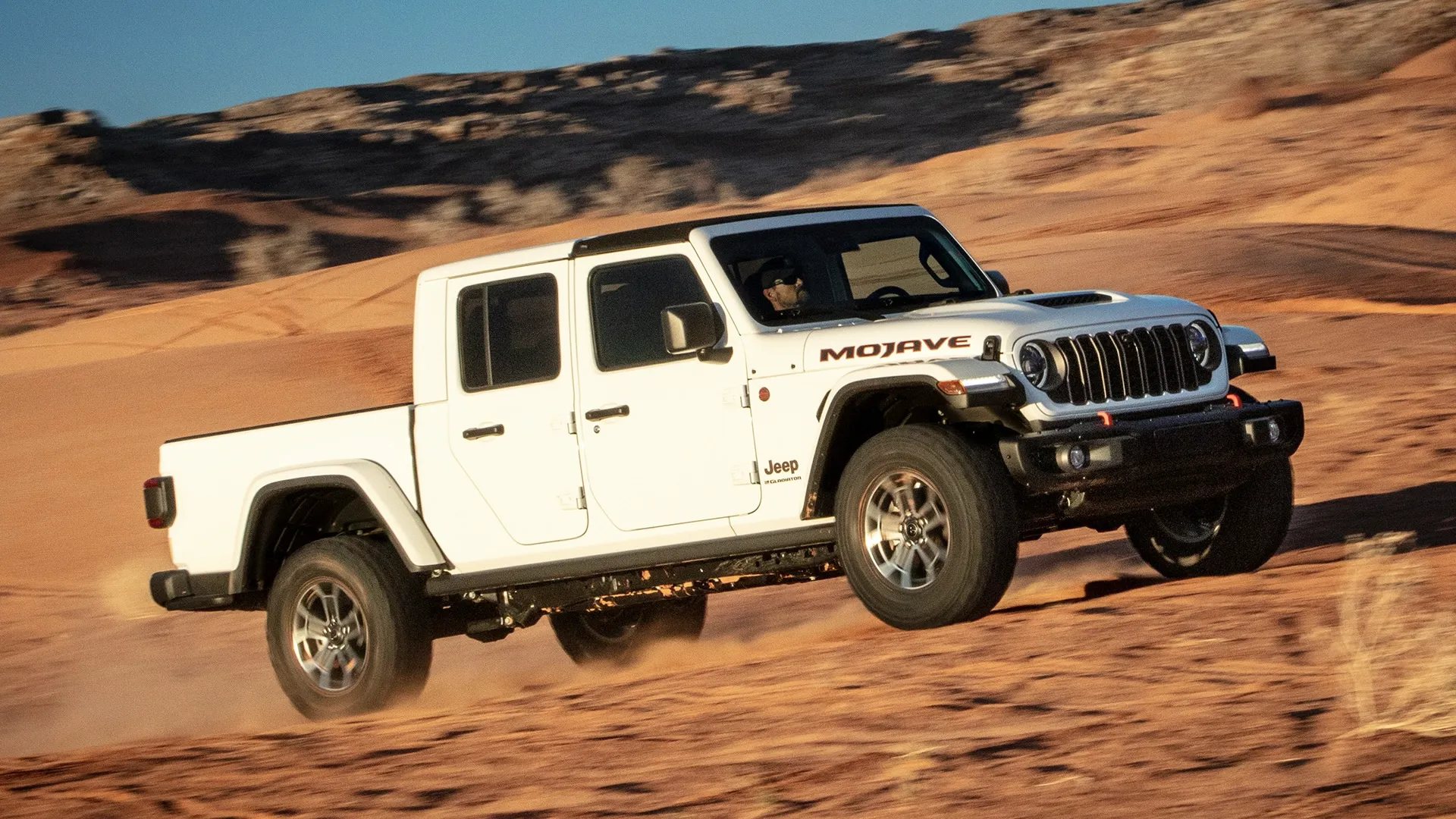
On the 2026 Jeep Gladiator Rubicon or Mojave spec sheet, the powertrain does not change from one trim to the other. Both rely on the 3.6 L Pentastar V6 delivering 285 horsepower and 260 lb-ft of torque, paired exclusively with an 8-speed automatic transmission.
As for fuel use, both show similar figures. About 13.7 L/100 km in the city and 10.8 L/100 km on the highway, for a combined 12.4 L/100 km.
Standard equipment differs more. The Rubicon adds cloth bucket seats with a Rubicon logo and a 7-inch customizable instrument cluster display. The Mojave features unique seats with reinforced backs and Full-Speed Forward Collision Warning Plus as standard.
Which Jeep Gladiator should you choose for your use?
Every type of driver will find its ideal trim. Here is a quick way to sort it out.
| Profile | Recommended trim | Why |
|---|---|---|
| Off-road enthusiast | Rubicon or Mojave | Depends on your playground |
| Hunting and fishing | Rubicon or Mojave | Both do well on trails, based on terrain type |
| Camping | Rubicon or Mojave | Both offer open-air experience and the space you need |
| Towing | Rubicon | Higher towing capacity |
| Work | Rubicon | Higher payload and towing |
| Daily driving | Mojave | Softer impact absorption |
| Long expeditions | Rubicon or Mojave | Depends on the type of roads to cover |
| Forest roads | Rubicon or Mojave | Rubicon for rocky. Mojave for sandy or fast, rough surfaces |
The best option is to come have a chat with a Paillé expert. We will talk through your exact needs, expectations, and lifestyle to help you decide. We will also go over attractive financing options. Book your test drive today.
Rubicon or Mojave: which offers the best value for money?
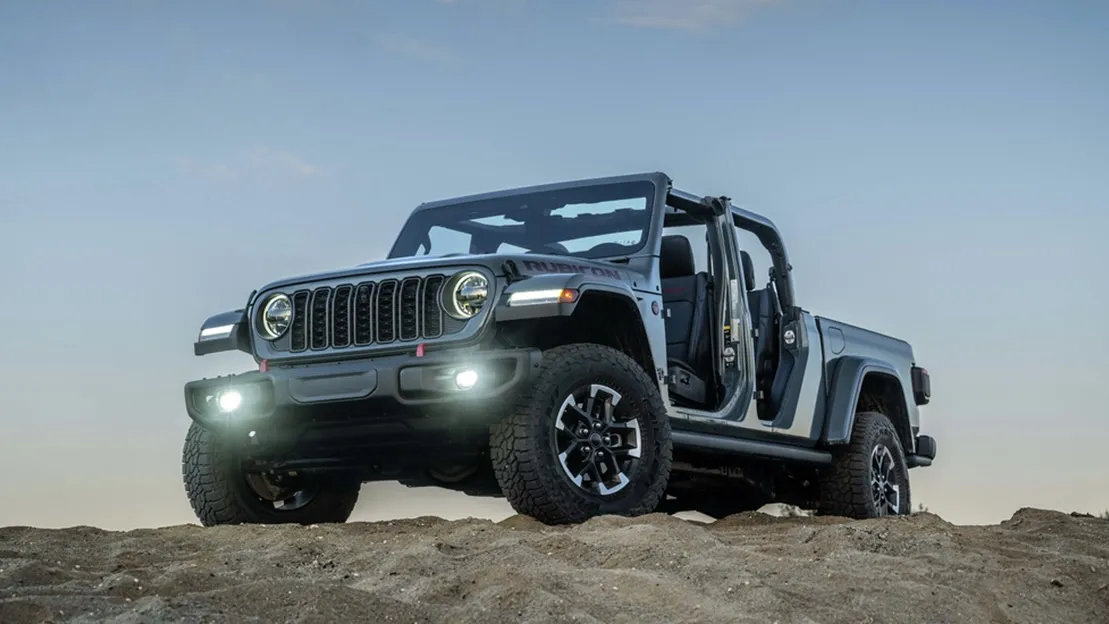
At the same price, value is about real use, not budget. Paying for lockable differentials you will never use is not logical. On the other hand, underestimating your towing needs can get frustrating quickly.
The real advice is to be honest with yourself about your usual terrain. If you only hit trails occasionally but spend most of your time on the road or on a job site, the Rubicon remains a versatile choice thanks to its tow rating.
If your fun mostly comes from quick runs on rough or sandy roads, the Mojave will give you more driving enjoyment without sacrificing performance.
In both cases, you are not making a wrong move on fundamentals. Same engine, same reliability, same warranty, same open‑air freedom. The difference shows in the details, not in overall value.
To find the one that truly matches your needs, the best step is to discuss it with a Paillé advisor and come try it at the dealership. Getting behind the wheel remains the best way to understand the driving experience and see which trim suits you best.